
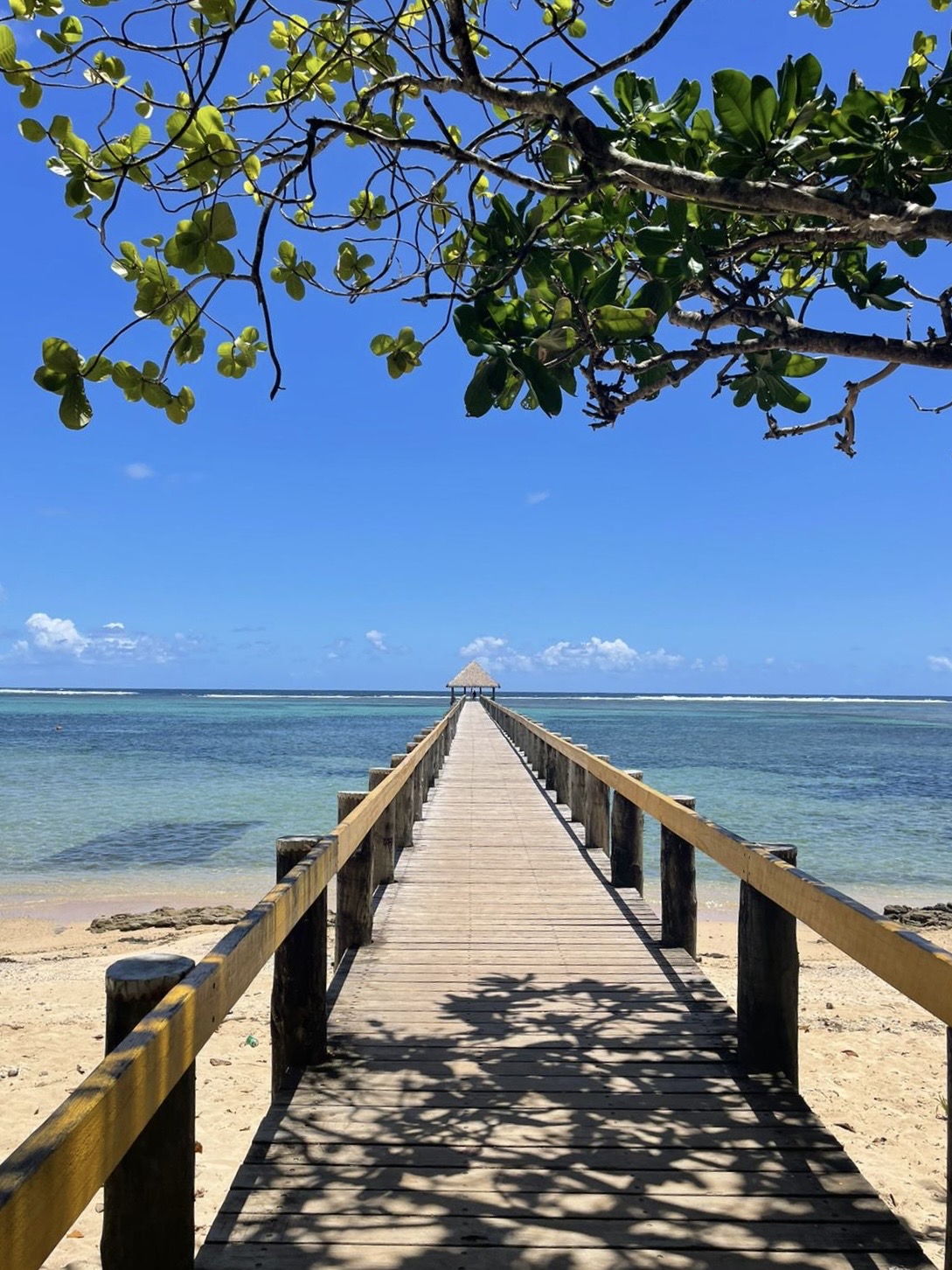
A wooden jetty reaching out over a Pacific reef toward the open ocean

A Comparative Bench Simulation

Far From Home

One Fijian community. Four domestic courts. A single question tested in the open.

Can domestic courts convert international climate obligations into enforceable responsibility for the corporations and governments of high-emitting jurisdictions?

The Comparative Bench

One Harm. Different Courts. Different Remedies.

The same climate-displacement problem can produce very different legal outcomes depending on who is sued, where the claim is brought, which legal pathway is available, and what remedy the court can lawfully provide.

Comparative legal research framework

01 — Corporations

Can domestic courts hold their own corporations accountable for climate displacement suffered abroad?

United States

Pathway
State-law tort claims
Barrier
Preemption and legal causation
Remedy
Potential compensatory or other state-law relief
  1. 1. Who may sue and in which court?

    A displaced plaintiff may, in principle, bring state-law claims in the relevant state or federal court. Standing and forum questions are assessed under the applicable procedural rules.

  2. 2. What is the strongest domestic cause of action?

    State common-law theories such as nuisance or negligence are often the most direct pathway. The strength of each theory depends on the facts and the governing state law.

  3. 3. How does international law enter the analysis?

    International principles may inform the interpretation of duty and reasonableness, but domestic courts apply their own substantive law. International law rarely supplies an independent cause of action here.

  4. 4. What duty and causation standards apply?

    The plaintiff must generally establish a recognized duty and show that the defendant's conduct was a legally sufficient cause of the particular loss. Causation is frequently the decisive issue.

  5. 5. What is the strongest defense?

    Defendants commonly raise federal preemption and attenuated causation. These defenses may substantially narrow or bar otherwise viable claims.

  6. 6. What remedy could the court award?

    Where liability is established, a court may award compensatory damages or other state-law relief. The scope of any remedy is subject to applicable law.

Germany

Pathway
Property and civil-liability claims
Barrier
Individualized causation and proof of property harm
Remedy
Potential damages or protective measures
  1. 1. Who may sue and in which court?

    A claimant with a recognized property or personal interest may bring civil proceedings in the competent German court. Jurisdiction is assessed under applicable procedural rules.

  2. 2. What is the strongest domestic cause of action?

    Civil-liability and property-protection provisions of the German Civil Code provide the most direct route. Their availability depends on establishing a protected interest and unlawful interference.

  3. 3. How does international law enter the analysis?

    International and European legal principles may inform statutory interpretation and standards of conduct. Domestic courts nonetheless resolve claims under German law.

  4. 4. What duty and causation standards apply?

    German law generally requires individualized causation linking the defendant's conduct to a concrete property harm. This requirement is often demanding in diffuse climate settings.

  5. 5. What is the strongest defense?

    Defendants typically contest individualized causation and the existence of a legally cognizable property harm. Attribution across many emitters raises significant proof questions.

  6. 6. What remedy could the court award?

    Where liability is established, a court may award damages or order protective measures. The precise relief depends on the nature of the harm and applicable law.

South Korea

Pathway
Civil tort liability
Barrier
Applicable law and cumulative causation
Remedy
Potential compensatory damages where liability is established
  1. 1. Who may sue and in which court?

    A claimant may bring a civil tort action in the competent Korean court. Standing and choice-of-law questions are addressed under applicable procedural rules.

  2. 2. What is the strongest domestic cause of action?

    General tort liability under the Korean Civil Code is typically the primary theory. Its viability turns on fault, causation, and a legally recognized injury.

  3. 3. How does international law enter the analysis?

    International norms may inform the assessment of fault and reasonable conduct. As elsewhere, domestic courts apply Korean substantive law to resolve the claim.

  4. 4. What duty and causation standards apply?

    The plaintiff must generally show fault and a causal link to the loss. Cumulative causation involving many contributors presents a substantial analytical challenge.

  5. 5. What is the strongest defense?

    Defendants commonly dispute applicable law and the sufficiency of causation given multiple contributing sources. These issues may be dispositive.

  6. 6. What remedy could the court award?

    Where liability is established, a court may award compensatory damages. The scope of recovery remains subject to applicable law.

What Determines the Outcome?

Climate attribution identifies contribution to the harm. Domestic law determines whether that contribution becomes legal responsibility. The court's remedial authority determines whether that responsibility becomes enforceable.

  1. 01

    Cause of Action

    Can the plaintiff bring a legally recognized claim?

  2. 02

    Causation

    Can the defendant be legally connected to the particular loss?

  3. 03

    Remedy

    Can the court provide meaningful relief?

Explore the Comparative Bench

Read the full comparative analysis of how domestic legal systems address climate-related property loss, corporate responsibility, governmental accountability, causation, and remedies.

The Comparative Bench presents comparative legal research and hypothetical analysis. It does not describe an actual filed case and does not constitute legal advice.

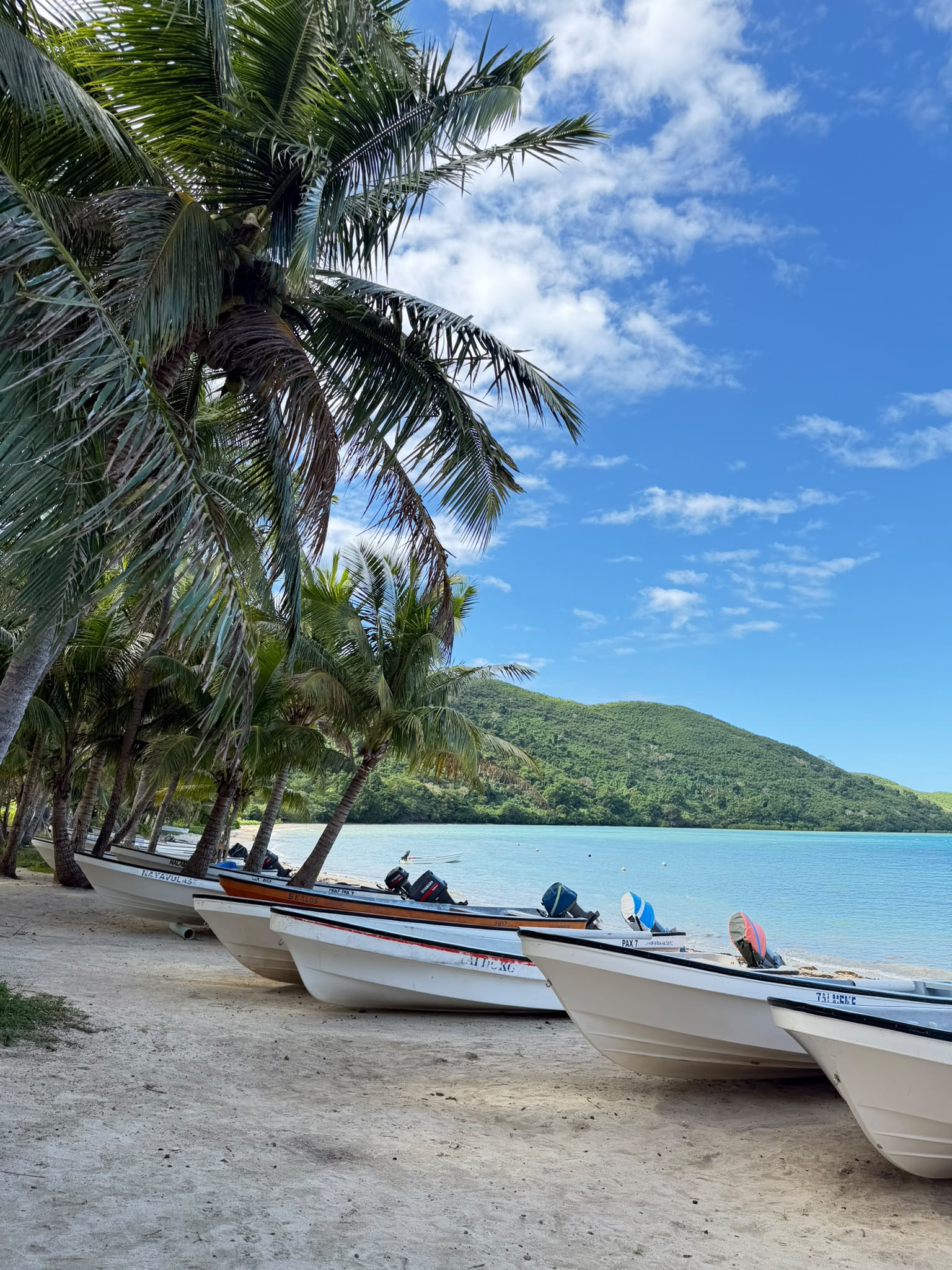
Fishing boats resting on a palm-lined beach beside a calm turquoise bay in Fiji

The Common Record

A legally recognized Fijian coastal community of 200 households

The community has undergone planned relocation and seeks the fullest relief available under each forum's law. Every advocate argues from one standardized case file, so the comparison isolates the law itself, not the facts.

ChronologyFlooding, erosion, saltwater intrusion, and loss of habitability
Climate-attribution evidenceScientific record linking emissions to displacement
Corporate knowledgeHistorical product emissions, representations, and compliance
Damages scheduleRelocation, adaptation, property, livelihood, and cultural losses

Representative imagery of a Pacific coastal community. The case concerns a hypothetical record developed for legal analysis.

The Format

A three-stage climate accountability simulation

Not a sequence of panel remarks, but a controlled experiment. Two variables shift across three stages while everything else is held constant, and a live audience serves as the Comparative Bench.

01

The baseline

Fijian Community v. Home Corporations

The community sues a fictional major fossil-fuel corporation domiciled in each jurisdiction. Each advocate has roughly six minutes to answer the same questions before the moderator raises standardized threshold objections.

ExtraterritorialityDuty of careCumulative causationCorporate separateness

Central question

Will domestic courts hold their own globally active corporations accountable for climate displacement suffered abroad?
02

Defendant switch

Fijian Community v. Home States

The corporate defendant is replaced by the government of its jurisdiction while the plaintiffs, injury, and scientific record stay constant, surfacing sovereign immunity, statutory waivers, and State responsibility.

Sovereign immunityStatutory waiversAdministrative reviewProspective relief

Central question

Can a legal system that may hold its own corporations responsible also constrain its government's failure to regulate them?

03

Plaintiff switch · U.S. territorial variation

American Samoa v. United States

The United States remains the defendant, but the affected community becomes a fictional American Samoan community facing materially equivalent displacement, testing territorial status and access to federal courts.

Territorial statusFederal court accessCommunal land interestsConstitutional theories

Central question

Does domestic law constrain the United States more effectively when the displaced community lives under U.S. sovereignty rather than abroad?

The Comparative Bench

One record, read by three legal systems

A live display distinguishes counsel's legal analysis from the audience's rulings, tracking how each jurisdiction routes the same climate-displacement claim. The comparison below is illustrative of counsel's Stage One analysis.

United States

Forum
Federal or state court in the corporation's home forum
Strongest cause of action
State-law public nuisance and negligence
Role of international law
Persuasive context; evidence of a standard of care
Principal defense
Preemption or displacement, extraterritoriality, judicial manageability
Available remedy
Compensatory damages; contribution to relocation and adaptation

Germany

Forum
German civil courts
Strongest cause of action
Tort and interference under the BGB; supply-chain due diligence
Role of international law
Interpretive principle and standard of care (cf. Lliuya v. RWE)
Principal defense
Cumulative causation, corporate separateness, limitation periods
Available remedy
Proportionally apportioned damages; contribution to protective measures

South Korea

Forum
Korean civil courts
Strongest cause of action
Negligence and statutory environmental duties
Role of international law
Persuasive and interpretive; constitutional environmental rights
Principal defense
Causation, corporate separateness, standing
Available remedy
Compensatory damages; prospective relief

A fourth jurisdiction would be selected by ASIL. The full online matrix additionally records the plaintiff, duty and causation standards, characterization and allocation of loss, and pre- and post-argument audience votes.

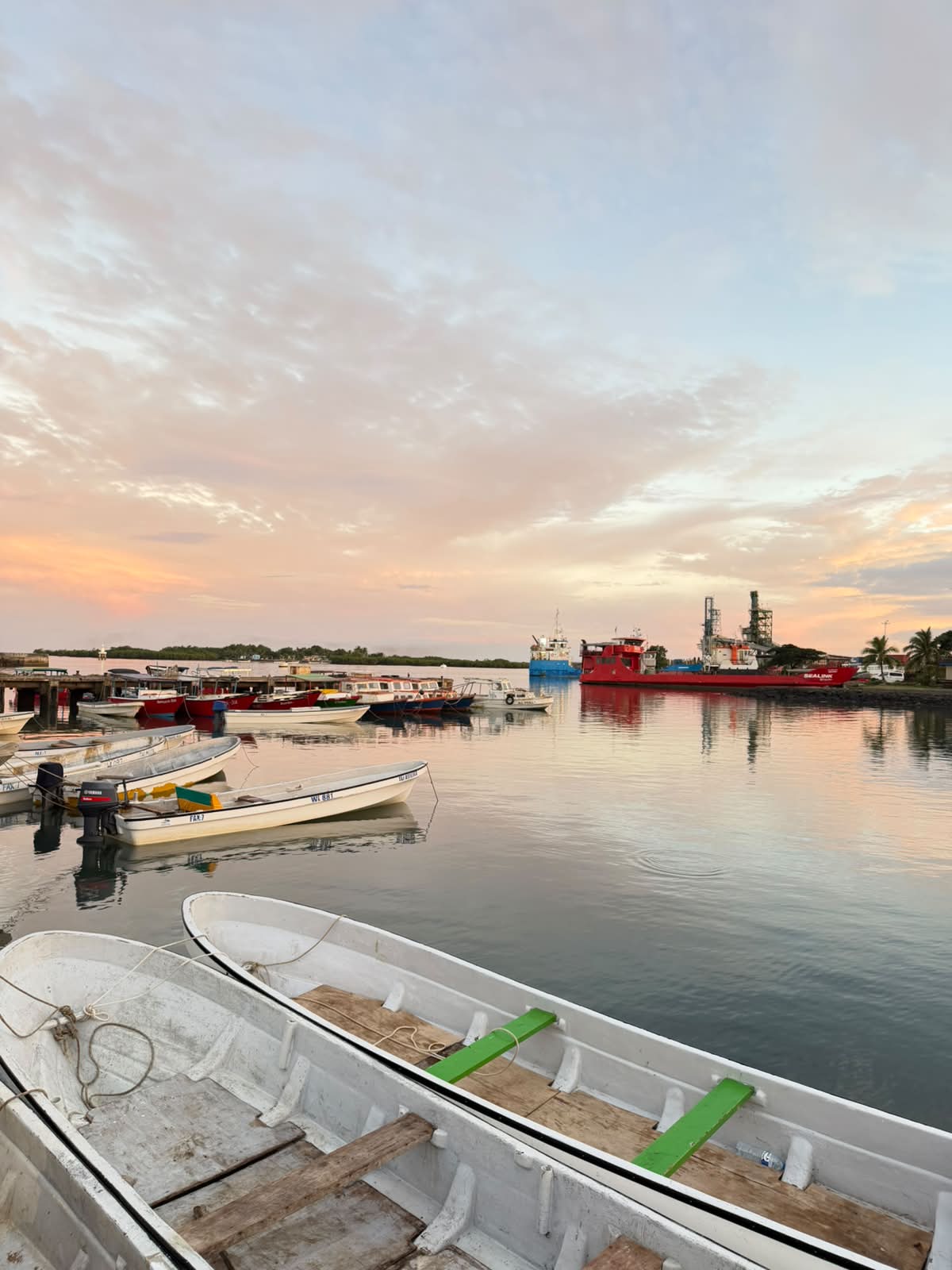
Fishing boats and a ferry moored in a Fijian harbor under a soft pastel dawn sky

Why Now

The first period of domestic implementation

The session lands as transnational causation, domestic civil remedies, and the capacity of home courts to adjudicate global emissions harms move to the center of climate litigation.

  1. May 2025

    Lliuya v. RWE concludes after extensive factual and expert examination

  2. Jul 23, 2025

    ICJ delivers its advisory opinion on the obligations of States on climate change

  3. Feb 2026

    U.S. Supreme Court grants review in Suncor Energy v. Boulder County

  4. Nov 9–20, 2026

    COP31 convenes

  5. Apr 2027

    ASIL Annual Meeting hosts the Far From Home simulation

Proposed Contributors

The voices behind the bench

These names and roles are suggestions, not a confirmed or closed panel, and remain subject to ASIL's speaker-selection process.

Ui-young Suh

Founder & Co-Chair, Climate Justice Counsel

Simulation architect, comparative rapporteur, and claimant's international-law counsel

A United Nations practitioner and attorney admitted in California and South Korea, he would develop the common record, frame the international-law claims, and synthesize the comparative outcomes.

Philip Nedelcu

Associate, Hengeler Müller

German-law advocate

He would address corporate and governmental liability, due diligence, causation, and remedies under German law, drawing on his scholarship on Germany's Supply Chain Due Diligence Act.

Noleen Narayan

Legal and Policy Team, Fiji Constitutional Review Commission

Fijian and Pacific-law participant

She would address planned relocation, community and land interests, recoverable losses, and the interaction between Fijian processes and litigation abroad.

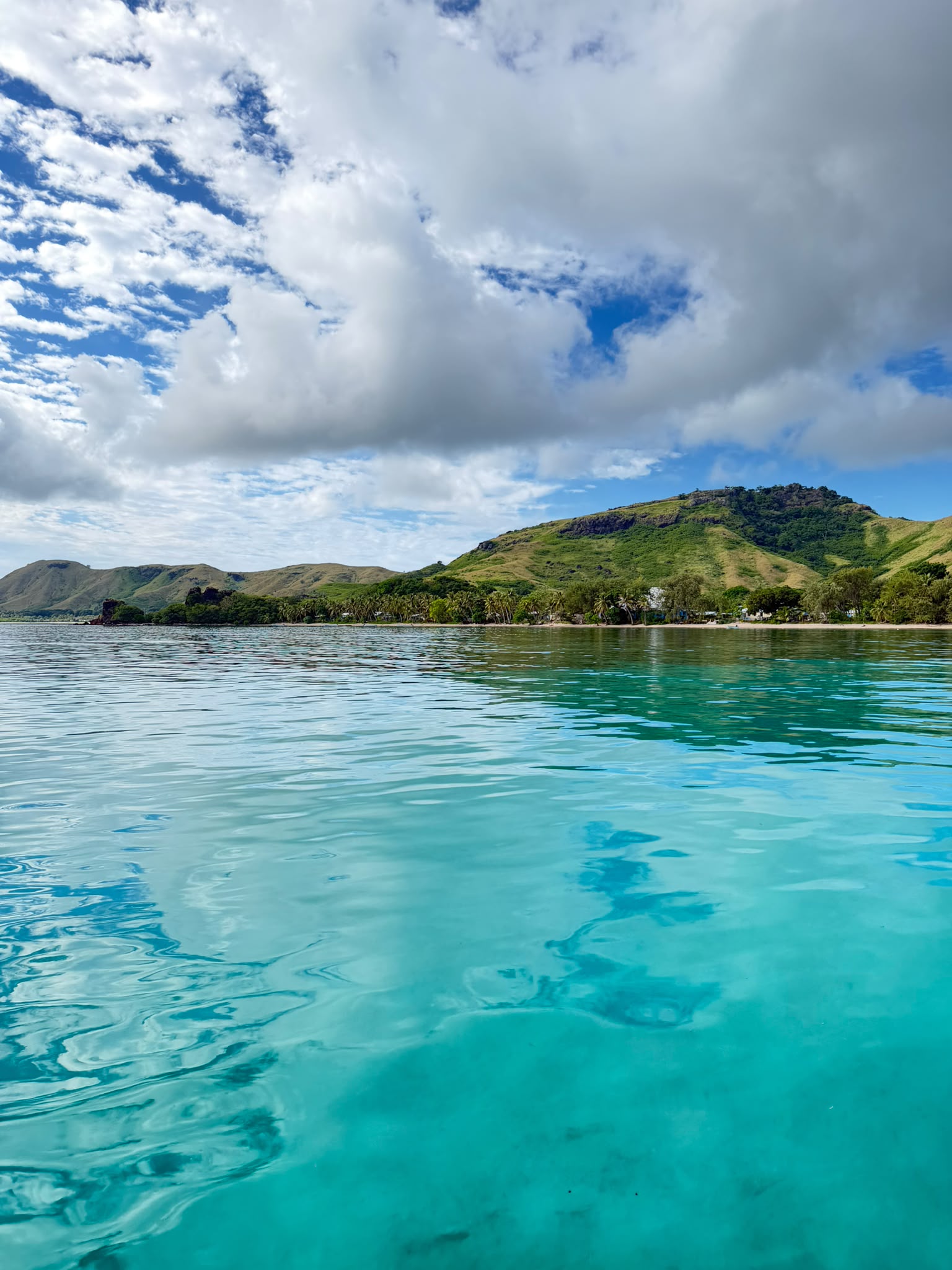
A clear turquoise lagoon meeting green hills beneath a wide, cloud-filled sky in Fiji

The Ultimate Question

Can a network of domestic judgments internalize the costs of climate displacement?

Following the Annual Meeting, the anonymized results, finalized matrix, hypothetical record, and supporting authorities could remain publicly accessible as a comparative climate-litigation resource.