
01
Community engagement & representation
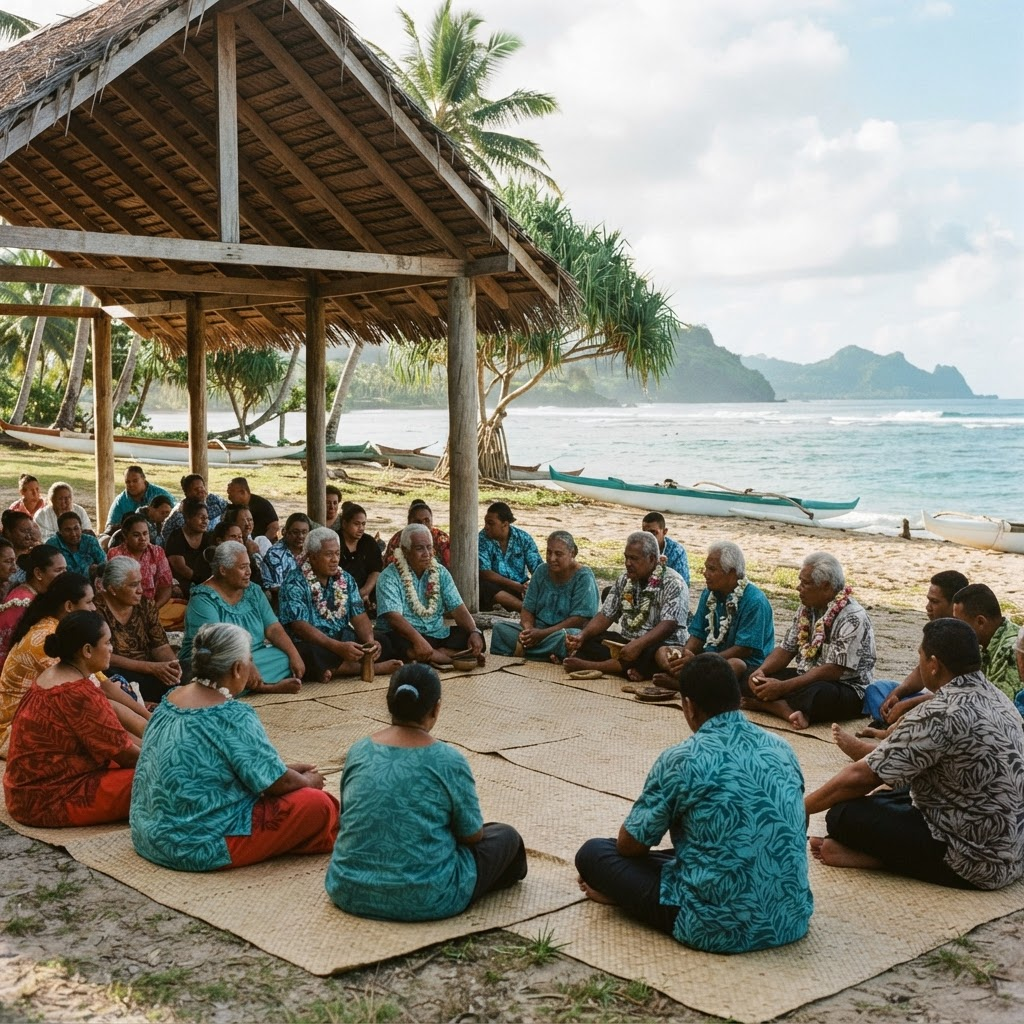
Community priorities define the starting point.

How it works
Climate Justice Counsel works with Pacific Island communities, local lawyers, scientists, valuation experts, and researchers to translate climate-related displacement and property loss into claims that can be tested under domestic law.
Community-defined loss
Evidence & valuation
Legal strategy
Domestic litigation
Enforceable remedy
The legal architecture
The model begins with climate-related loss experienced by communities. State actors can bring claims before international tribunals. These communities and individuals cannot. Remedies may depend widely on who is bringing the claim, where responsibility can legally be tested, and what remedies each jurisdiction can enforce.
Climate Justice Counsel's current work is focused on domestic legal pathways.
Plaintiff pathways
Climate-related loss can move through different legal routes depending on who brings the claim.
International context ↔ domestic enforcement
Starting point
Fiji · Tonga · Samoa · Vanuatu
Coastal erosion, displacement, property loss, and cultural disconnect.
Non-State actors
Communities, rights-holders, and other non-State plaintiffs.
Direct legal forum
e.g. United States · South Korea · Germany
Direct legal recourse under domestic substantive and procedural law.
Familiar legal machinery
Torts · property and customary damages · takings / inverse condemnation · other forum-specific civil remedies.
Court-backed outcomes
Legal precedent · monetary compensation · enforcement of judgments against domestic and foreign assets · policy influence.
State actors
States pursuing available international legal routes.
International legal context
ICJ · ITLOS
Clarify international obligations; enforced through political means.
International norms and domestic law may influence one another.
Domestic pathways we test
Nuisance, negligence, and other established civil causes of action where domestic law permits.
Claims involving recognized property interests, land tenure, customary interests, and compensable loss.
Inverse condemnation and related compensation mechanisms where government action or legally attributable loss engages domestic property law.
Constitutional, administrative, or public-authority claims where the forum provides a legally appropriate route.
Other civil or public-law mechanisms that become relevant only after the applicable jurisdiction is identified.
How we build the claim
Each stage is iterative. A problem discovered in jurisdiction, causation, evidence, or remedy may require the claim to be reframed before litigation is pursued.
Community priorities define the starting point.
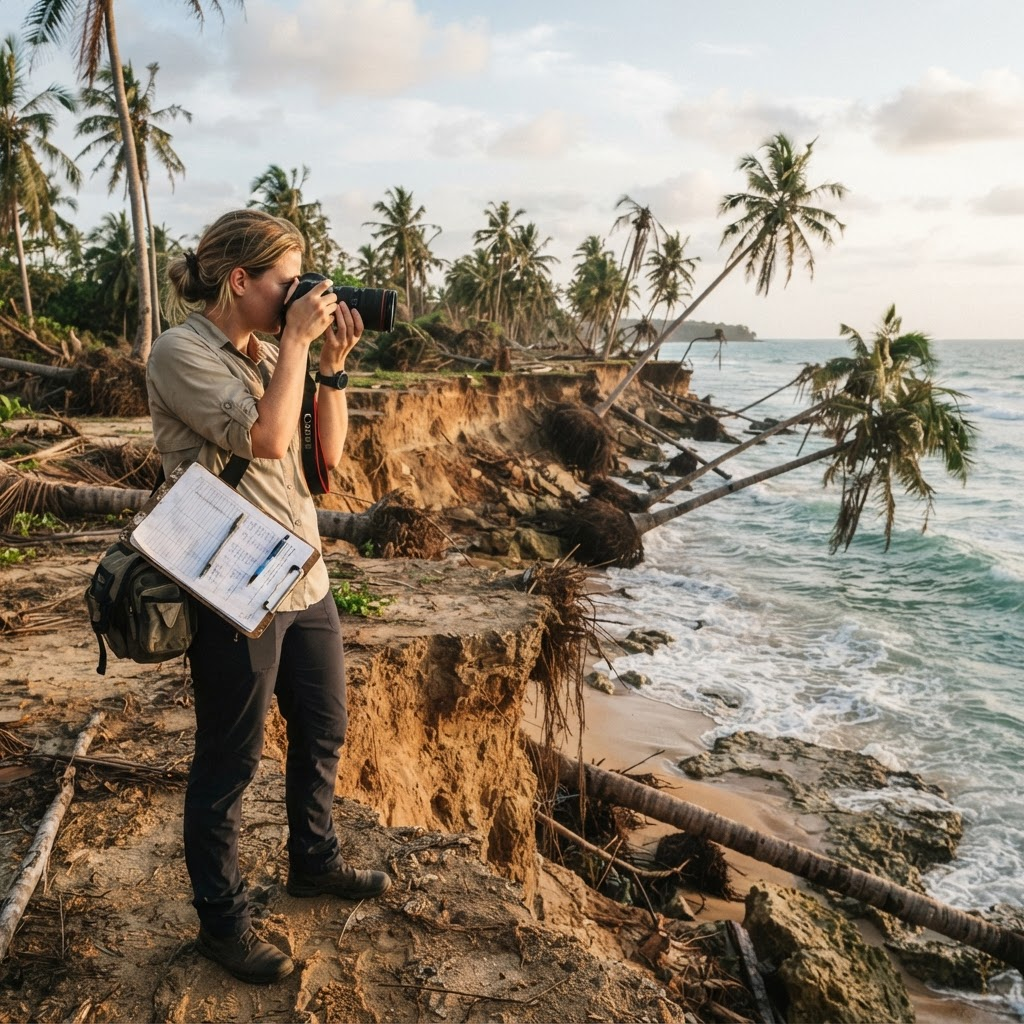
Evidence is built for legal scrutiny, not only advocacy.
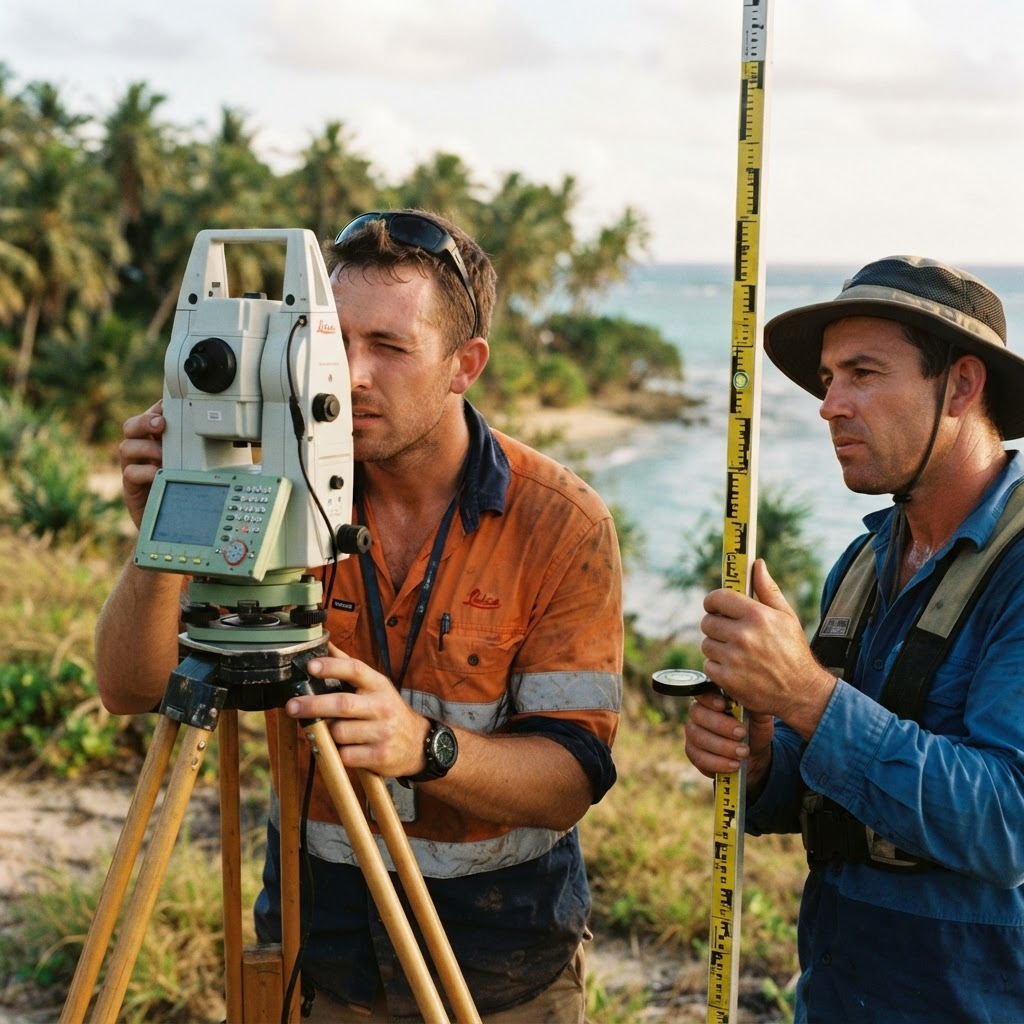
Science and valuation are matched to the proof required by the forum.

The same harm may require a different legal translation in each jurisdiction.

Claims are advanced only after forum-specific legal testing.
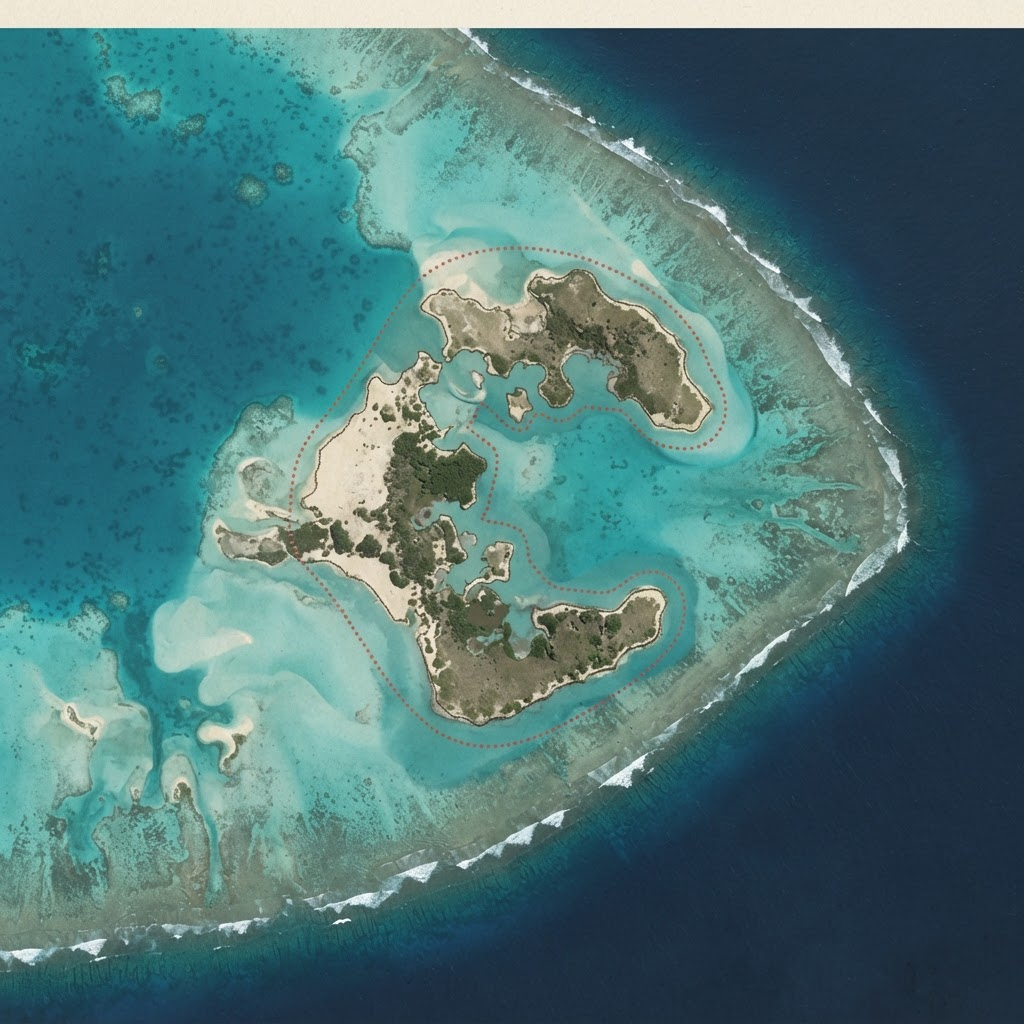
The immediate focus is the plaintiff; the broader value is tested legal infrastructure.
Who connects the work
Define the loss, priorities, relevant rights, and the outcome the legal work is intended to serve.
Lead representation in the relevant jurisdiction and ground the claim in domestic substantive and procedural law.
Coordinates cross-border strategy, comparative legal analysis, evidentiary architecture, and the translation between international principles and domestic claims.
Develop attribution, valuation, property, climate, and other technical evidence required by the legal theory.
Stress-test legal theories and contribute research, scholarship, and comparative analysis where useful.
Go deeper